This policy brief explores how public procurement can serve as a primary demand-side driver to establish digital sovereignty across the European Union.
This guide provides practical financing strategies for governments to build, maintain, and expand integrated data systems (IDS) and evaluation capacity using federal and non-federal funding sources.
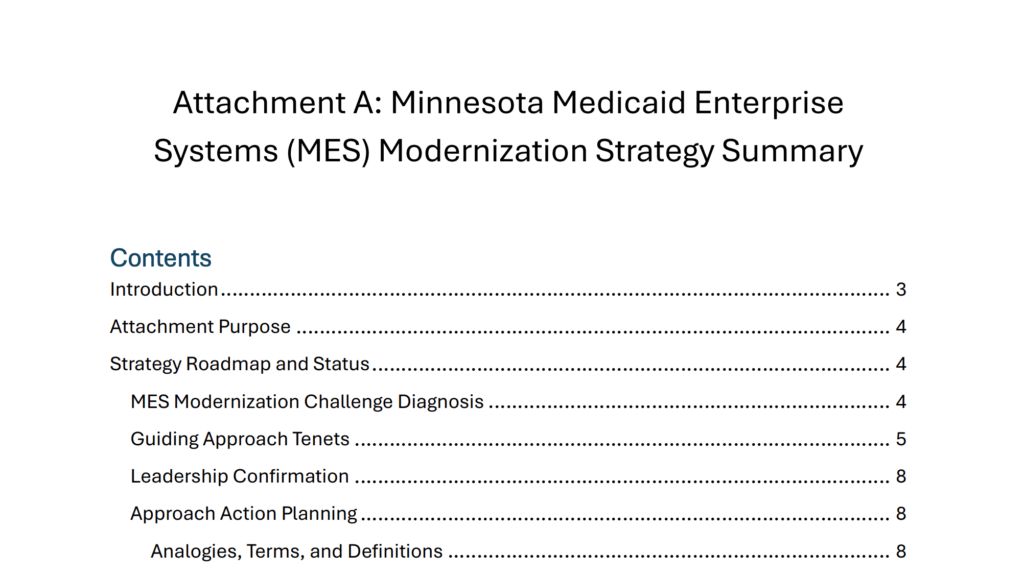
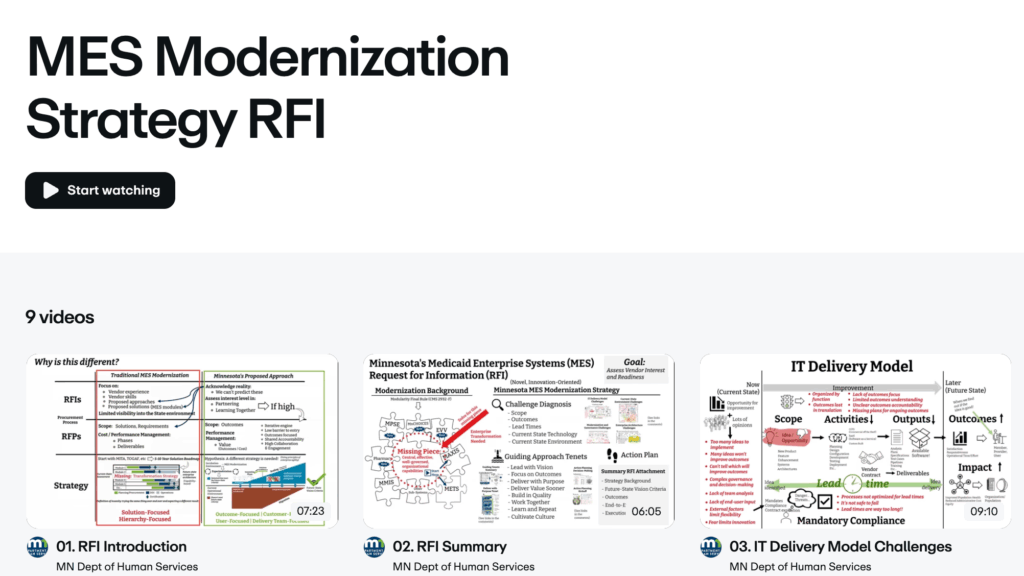
A strategy outlining a new, outcome-driven, slice-based approach to modernizing Medicaid Enterprise Systems, prioritizing experimentation, measurable outcomes, and cultural transformation over traditional large-scale system replacements.
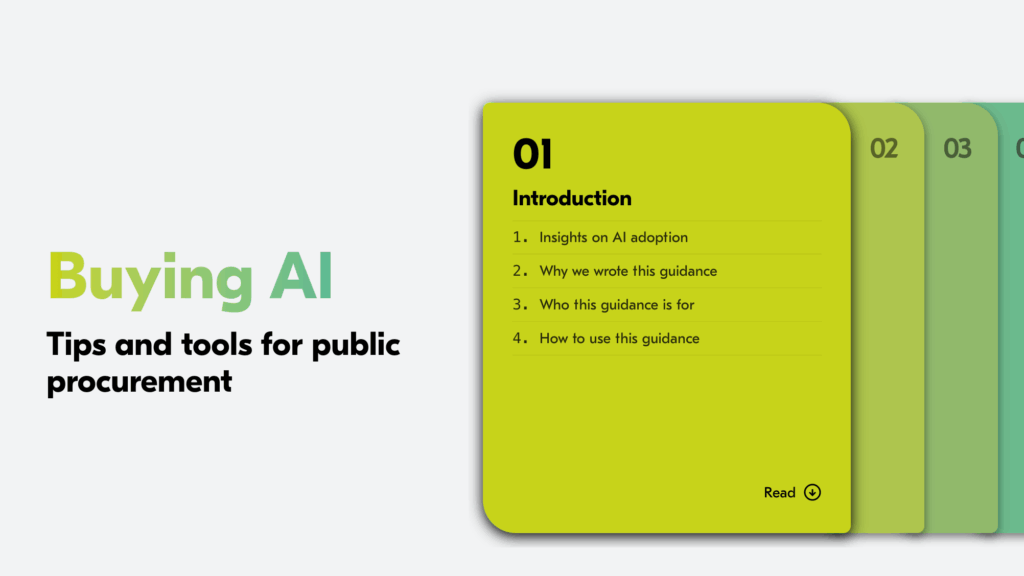
A practical, plain-language guide offering public-sector procurement and technology teams actionable tools and best practices for procuring AI responsibly and effectively.
This publication explains the fundamentals of state IEE systems—including the technology, opportunities, risks, and stakeholders involved. It is a resource for state officials, advocates, funders, and tech partners working to implement these systems.
This paper explores how legacy procurement processes in U.S. cities shape the acquisition and governance of AI tools, based on interviews with local government employees.
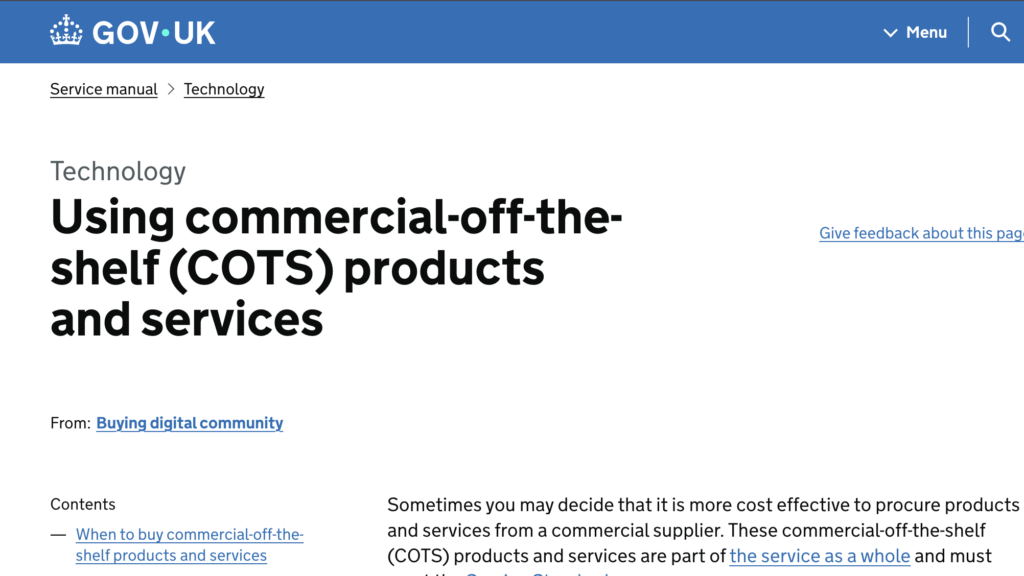
A guidance page explaining how government teams should evaluate and use commercial-off-the-shelf (COTS) products and services when building digital public services.
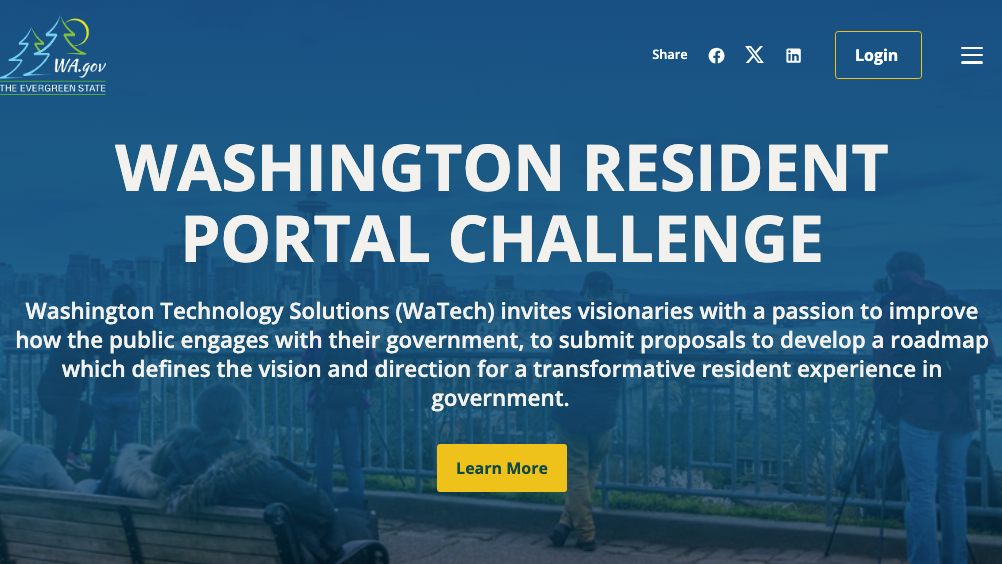
A public-sector innovation challenge website inviting teams to design a roadmap for a unified, user-centered resident portal that improves access to Washington State government services.
Public procurement in state governments can be slow and inefficient, but artificial intelligence (AI) offers a solution by automating tasks, improving decision-making, and addressing workforce gaps, as highlighted in a joint brief by NASCIO and NASPO.
National Association of State Chief Information Officers (NASCIO)