This article examines how the decentralization of safety net programs after welfare reform has led to growing inequality in benefit generosity and access across U.S. states.
This article analyzes the strategic use of public policy as a tool for reshaping public opinion. Though progressive revisionists in the 1990s argued that reforming welfare could produce a public more willing to invest in anti-poverty efforts, welfare reform in the 1990s did little to shift public opinion. This study investigates the general conditions under which mass feedback effects should be viewed as more or less likely.
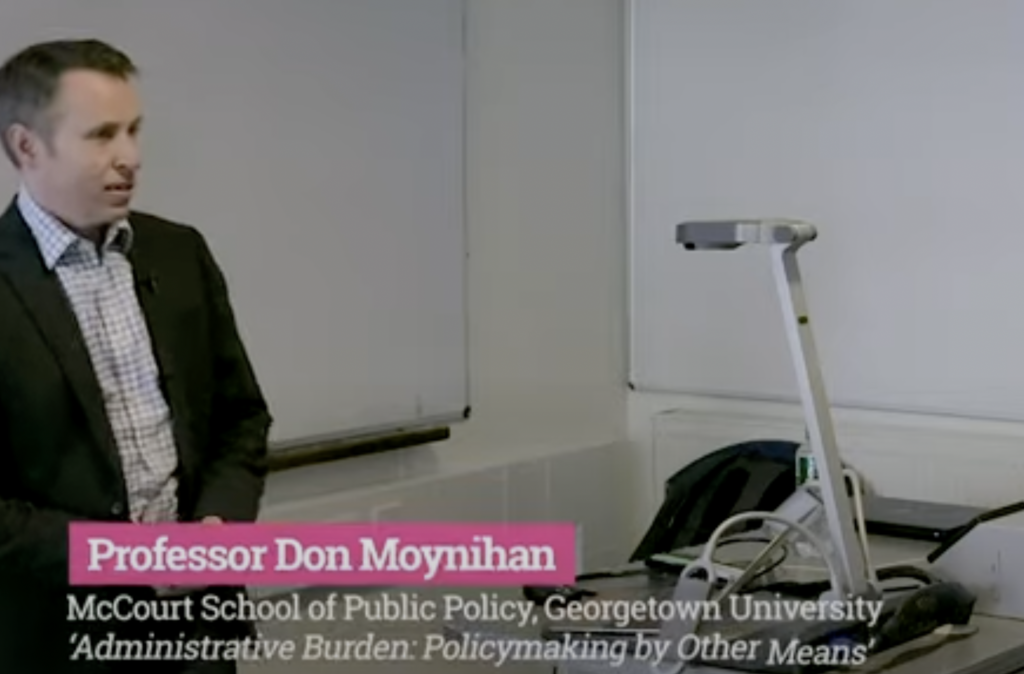
Professor Don Moynihan discusses how administrative burden is an effective tool to make it difficult for people to access certain types of benefits, noting that this is particularly harmful to communities of color.
This article explores how anticipatory logics—drawing from foresight, futures thinking, and design—are shaping the future of government by creating space for innovative policy approaches, public participation, and proactive governance.
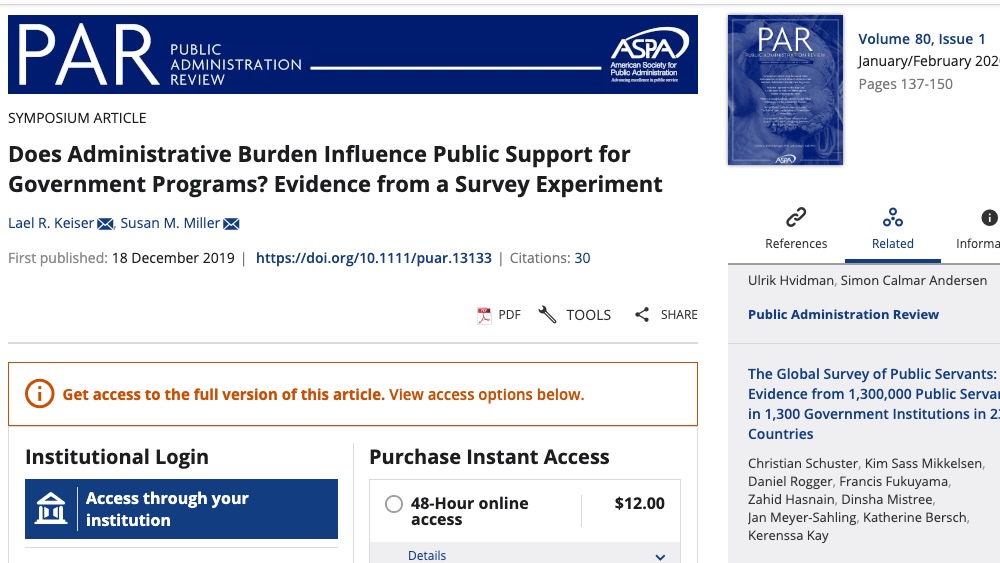
This study examines how providing information about administrative burden influences public support for government programs like TANF, showing that awareness of these burdens can increase favorability toward the programs and their recipients.
Teams crafting policy inside and outside government can use the assessment to center their policy-making activities around those most impacted by their proposed programs and policy ideas.
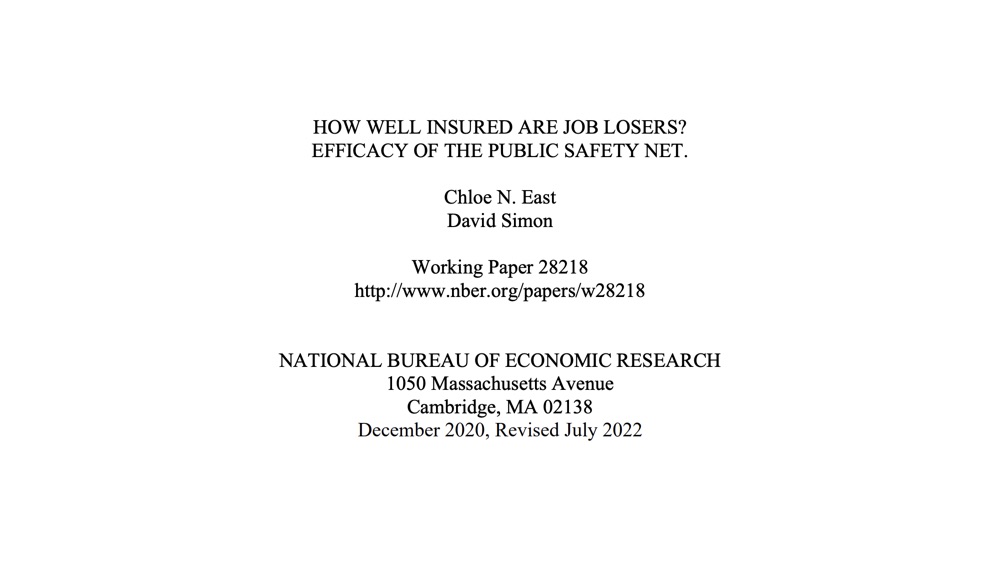
This resource is a research paper examining the role of the public safety net in insuring job losers against income loss, analyzing which government programs provide financial support and how benefits vary based on pre-job loss income levels.
This report reviews the features of intergovernmental software cooperatives, examines several different examples, looks at different categories of cooperatives and their governance structures, and inventories known cooperatives both within and outside of the United States.
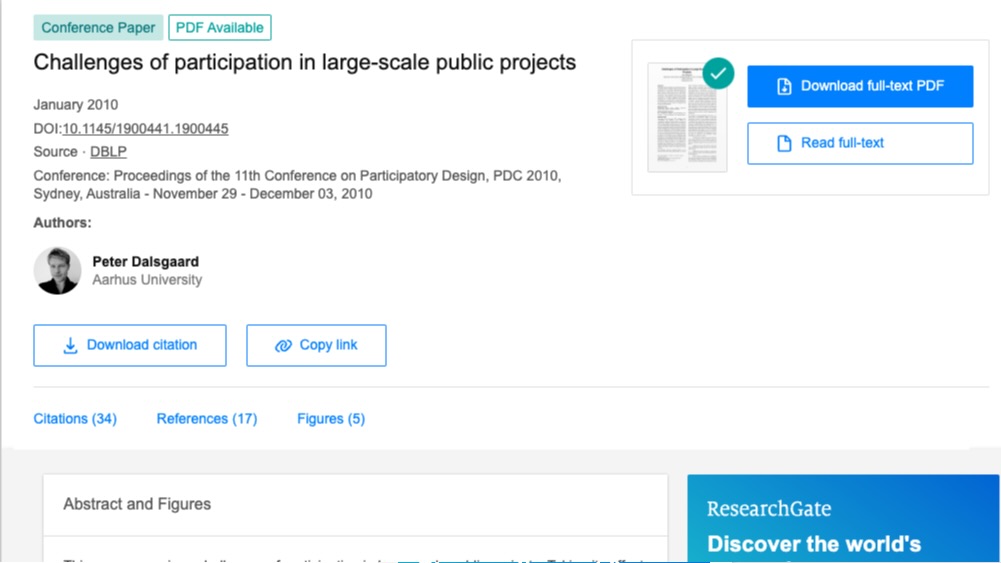
This paper analyzes the unique challenges of conducting participatory design in large-scale public projects, focusing on stakeholder management, fostering engagement, and integrating participatory methods into institutional transformation.
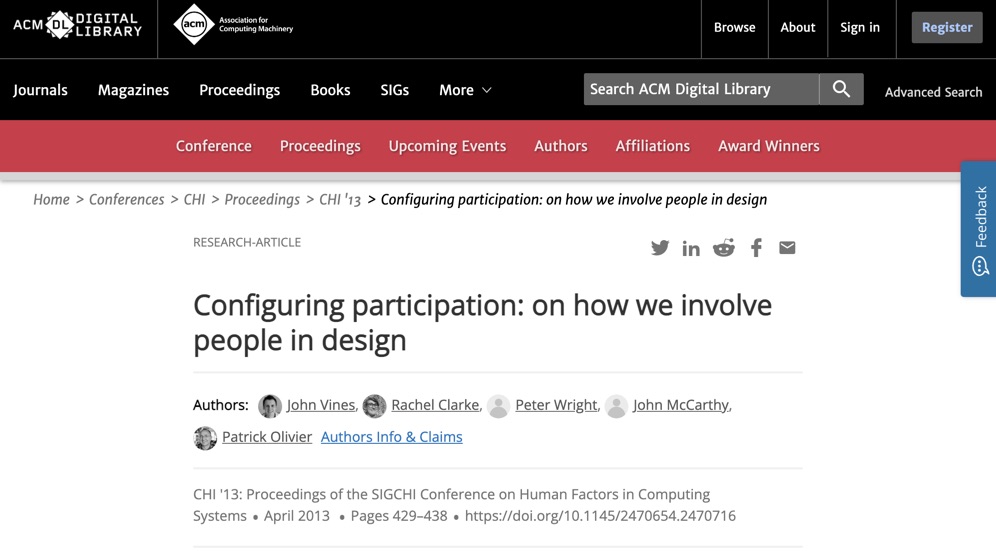
This paper examines three key questions in participatory HCI: who initiates, directs, and benefits from user participation; in what forms it occurs; and how control is shared with users, while addressing conceptual, ethical, and pragmatic challenges, and suggesting future research directions.