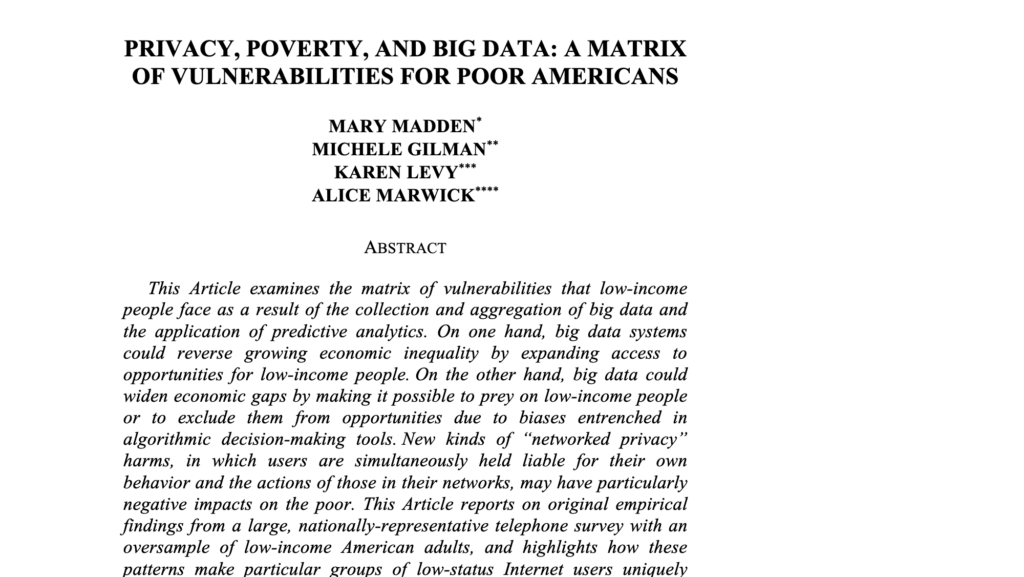
This article examines the matrix of vulnerabilities that low-income populations face from the widespread collection of big data and predictive analytics.
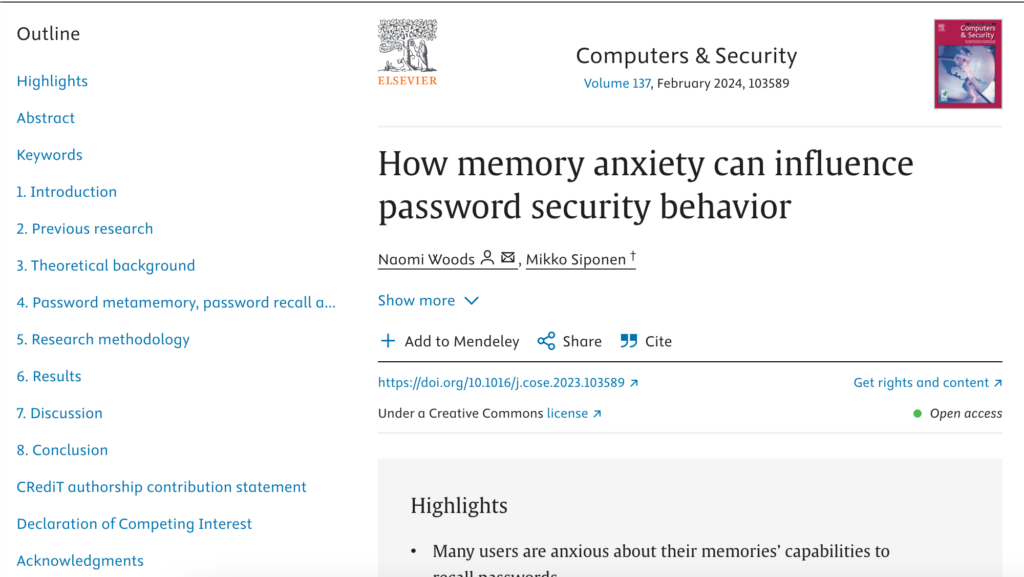
This article investigates how users' "metamemory"—specifically their anxiety regarding their own memory capabilities—drives insecure password behaviors.
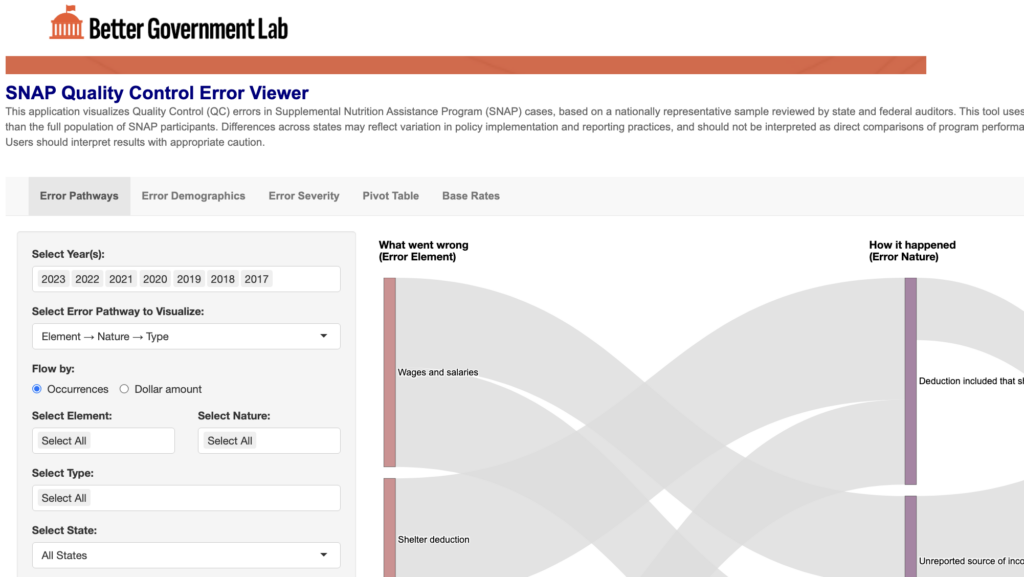
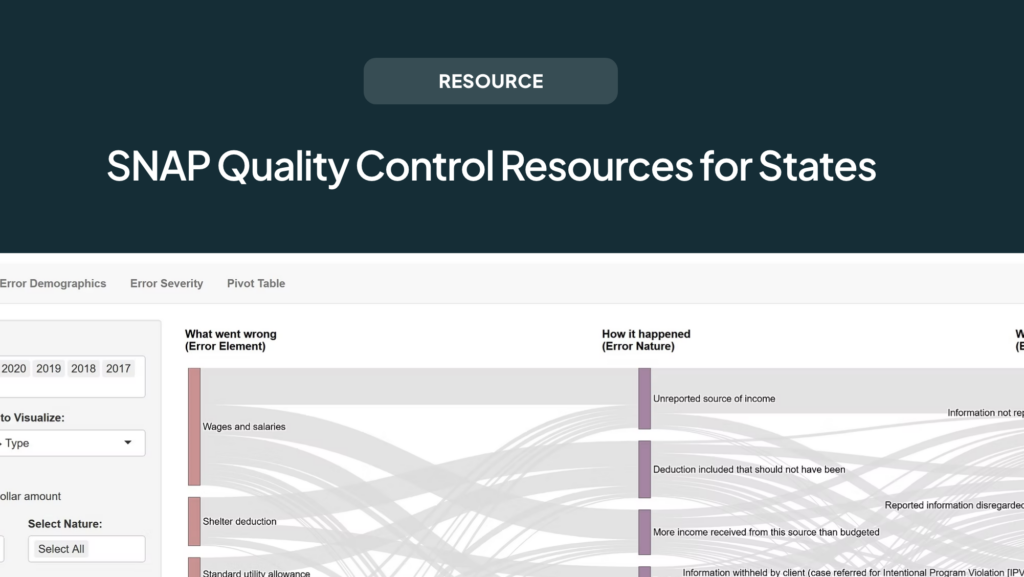
An interactive dashboard that allows users to explore Supplemental Nutrition Assistance Program (SNAP) Quality Control data to better understand payment errors, eligibility issues, and administrative performance across states.
The first panel at the Beeck Center’s Accessibility Jam event was captured in a graphic recording to enable more people to access the information from the event.
A blog introducing an interactive viewer that helps users explore SNAP Quality Control error data to better understand payment accuracy trends and administrative challenges across states.
The first edition of this storytelling series explores the critical role of cognitive accessibility in digital government services through the personal experiences of a scholar and a mother navigating a complex bureaucracy.
This report evaluates the effectiveness and implementation of a generative AI-powered assistive chatbot designed to help caseworkers navigate complex public benefit programs like Medicaid and SNAP.
This research article explores how framing income eligibility guidelines in either dollar amounts or as a percentage of the Federal Poverty Line (FPL) affects public attitudes toward program access and administrative burdens in Medicaid and SNAP.
This article examines the historic structural changes to the Supplemental Nutrition Assistance Program (SNAP) enacted through H.R. 1 and their potential consequences for public health and food security.