This toolkit outlines actionable changes for government practitioners looking to improve the accuracy and accessibility of the questions on their forms that collect information about a user’s gender.
Led by the Digital Benefits Network in partnership with Public Policy Lab, the Digital Doorways research project amplifies the lived experiences of beneficiaries to provide new insights into people’s experiences with digital identity processes and technology in public benefits. This report details the project’s findings, directly highlighting the voices of beneficiaries through videos and photos.
Led by the Digital Benefits Network in partnership with Public Policy Lab, the Digital Doorways research project amplifies the lived experiences of beneficiaries to provides new insights into people’s experiences with digital identity processes and technology in public benefits. This executive summary gives an overview of the project’s findings.
This video documents the Digital Benefits Network's Digital Identity Community of Practice launch, covering mission review, 2025 goals, California authentication innovations, and peer networking for equitable and effective digital identity in public benefits.
A pre-launch survey brief that documents the financial, emotional, and physical well-being of a local child care workforce before the start of a wage boost pilot.
This publication explains the fundamentals of state IEE systems—including the technology, opportunities, risks, and stakeholders involved. It is a resource for state officials, advocates, funders, and tech partners working to implement these systems.
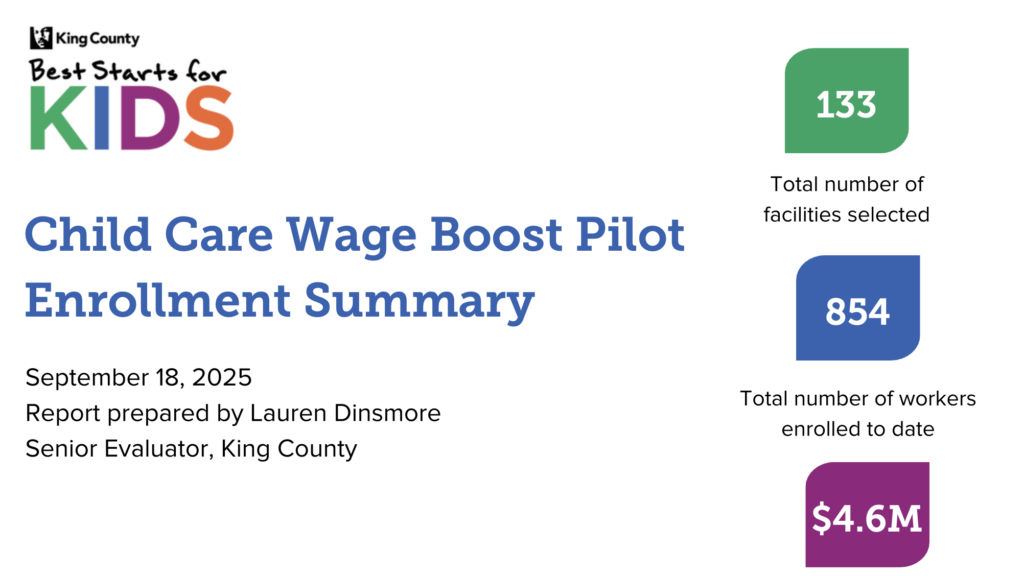
A data snapshot summarizing enrollment, participation, and early characteristics of workers and facilities participating in a child care wage boost pilot.
This paper explores how legacy procurement processes in U.S. cities shape the acquisition and governance of AI tools, based on interviews with local government employees.
A research report that defines different local early childhood governance models and explains how communities can choose and design governance structures to support effective early care and education systems.
This brief outlines the U.S. federal government’s framework to identify, reduce, and address administrative burdens through a series of executive orders, legislative actions, and updated policies focused on improving customer experience and increasing access to government benefits.