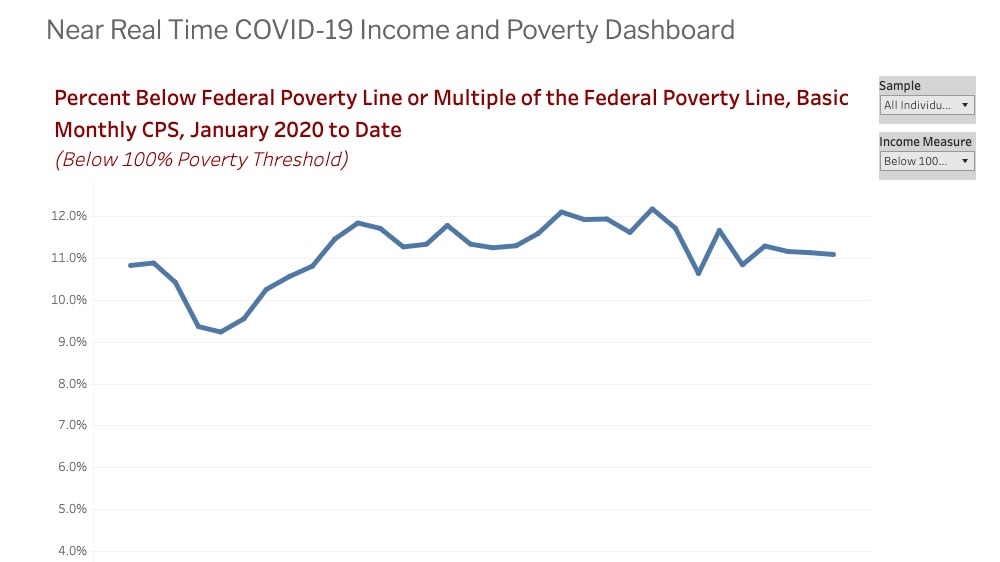
This landscape analysis examines data, design, technology, and innovation-enabled approaches that make it easier for eligible people to enroll in, and receive, federally-funded social safety net benefits, with a focus on the earliest adaptations during the COVID-19 pandemic.
This paper analyzes the unique challenges of conducting participatory design in large-scale public projects, focusing on stakeholder management, fostering engagement, and integrating participatory methods into institutional transformation.
This paper examines three key questions in participatory HCI: who initiates, directs, and benefits from user participation; in what forms it occurs; and how control is shared with users, while addressing conceptual, ethical, and pragmatic challenges, and suggesting future research directions.
This report explores the financial challenges faced by U.S. workers, analyzing the roles of work arrangements and public and workplace benefits in achieving financial security, while highlighting the disparities in access and effectiveness for low- and moderate-income workers.
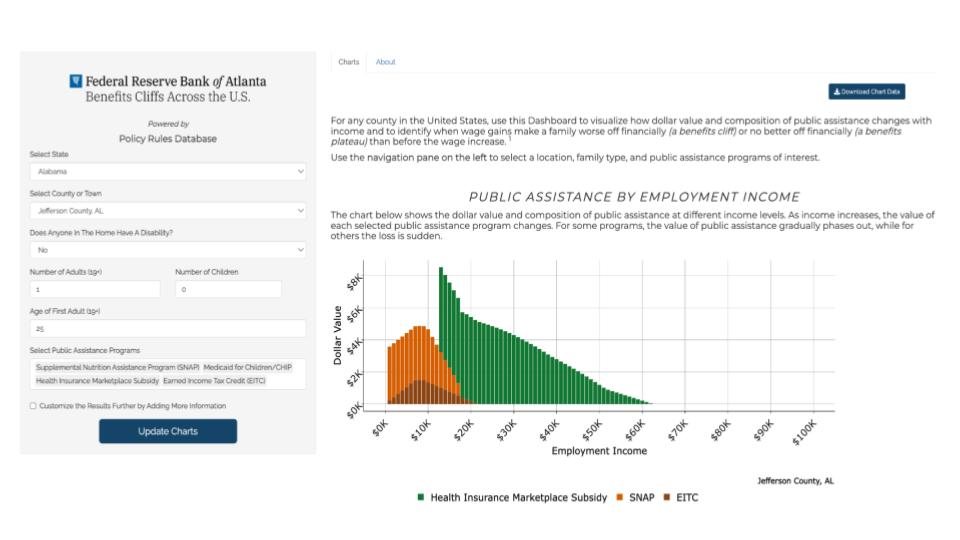
The Policy Rules Database (PRD), developed by the Federal Reserve Bank of Atlanta and the National Center for Children in Poverty, consolidates complex rules for major U.S. federal and state benefit programs and tax policies into a standardized, easy-to-use format. This database allows researchers to model public assistance impacts, simulate policy changes, and analyze benefits cliffs across various household scenarios using common rules and language across different programming platforms.
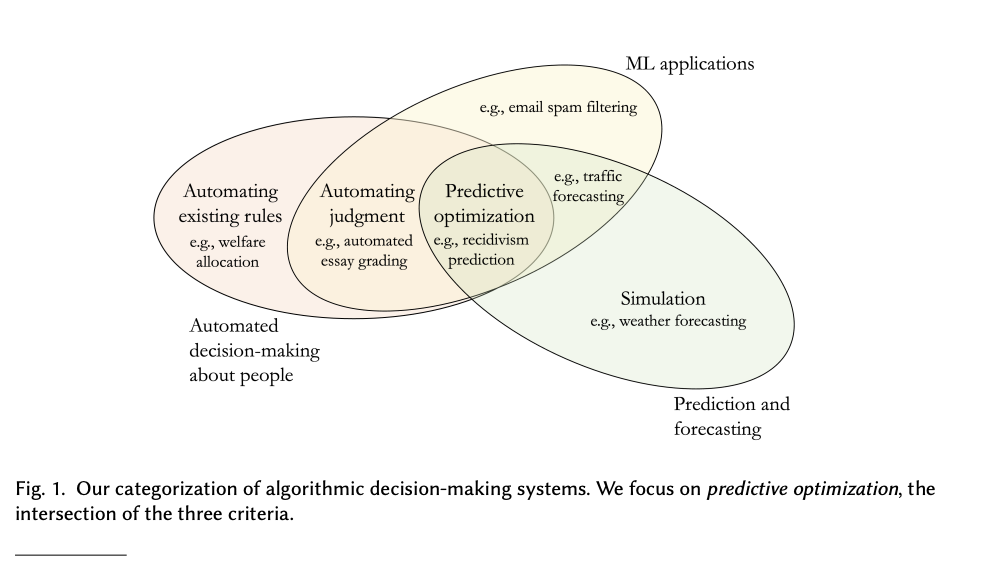
This academic paper examines predictive optimization, a category of decision-making algorithms that use machine learning (ML) to predict future outcomes of interest about individuals. Through this examination, the authors explore how predictive optimization can raise concerns that make its use illegitimate and challenge claims about predictive optimization's accuracy, efficiency, and fairness.
Algorithmic impact assessments (AIAs) are an emergent form of accountability for organizations that build and deploy automated decision-support systems. This academic paper explores how to co-construct impacts that closely reflects harms, and emphasizes the need for input of various types of expertise and affected communities.
ACM Conference on Fairness, Accountability, and Transparency (ACM FAccT)
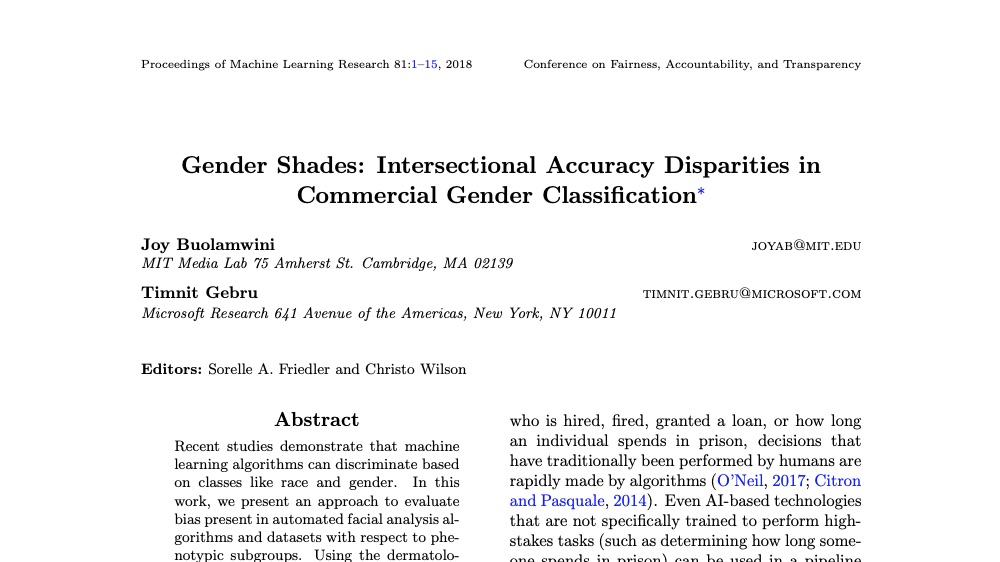
Recent studies demonstrate that machine learning algorithms can discriminate based on classes like race and gender. This academic study presents an approach to evaluate bias present in automated facial analysis algorithms and datasets.
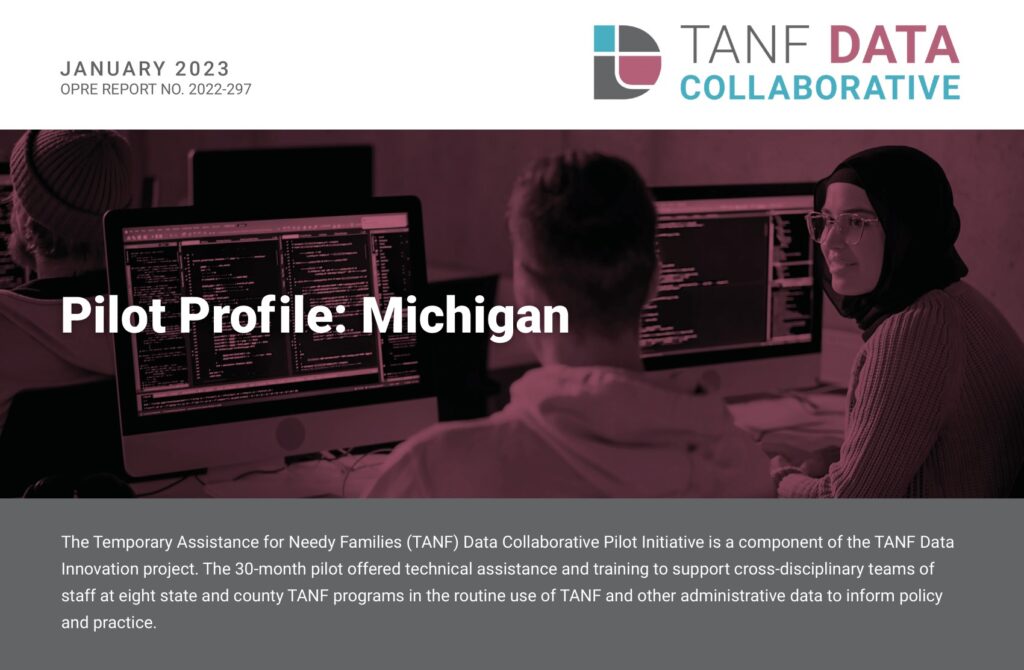
This brief describes the TANF Data Collaborative (TDC), an innovative approach to increasing data analytics capacity at state Temporary Assistance for Needy Families (TANF) agencies.
This report explores key questions that a focus on disability raises for the project of understanding the social implications of AI, and for ensuring that AI technologies don’t reproduce and extend histories of marginalization.
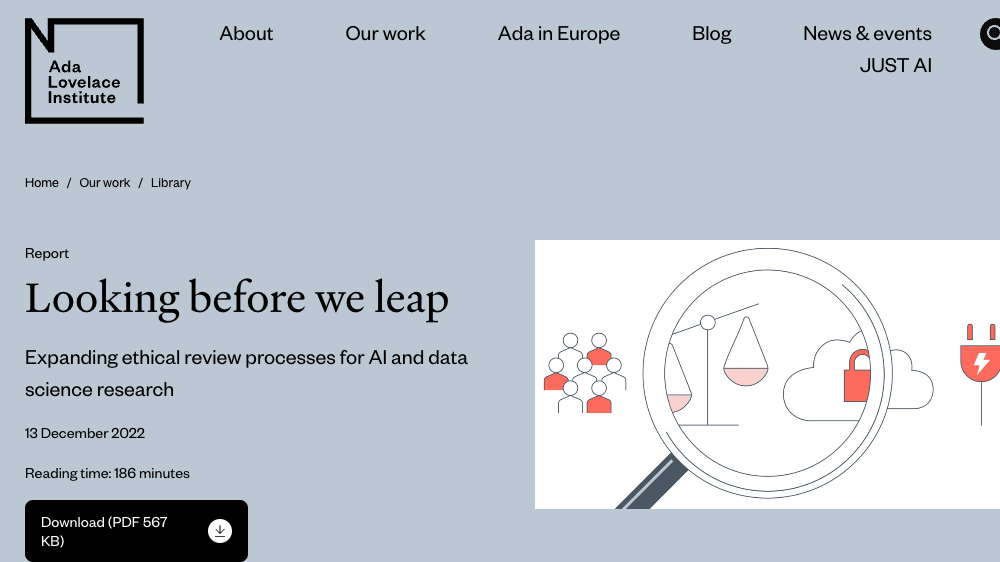
This report explores the role that academic and corporate Research Ethics Committees play in evaluating AI and data science research for ethical issues, and also investigates the kinds of common challenges these bodies face.