An overview of current technology systems used by WIC agencies nationwide, highlighting trends, challenges, and opportunities for modernization to improve program efficiency and participant experience.
The CUTGroup book explains how civic user testing (paying residents to test civic apps) can allow for more community engagement in civic tech. This book covers how to do UX testing, community engagement, and digital skills in one civic tech system.
A case study of the Hawai‘i Career Acceleration Navigator — an accessible, data-driven and full-service government platform for unemployed people and other jobseekers to search for jobs and access supportive service benefits.
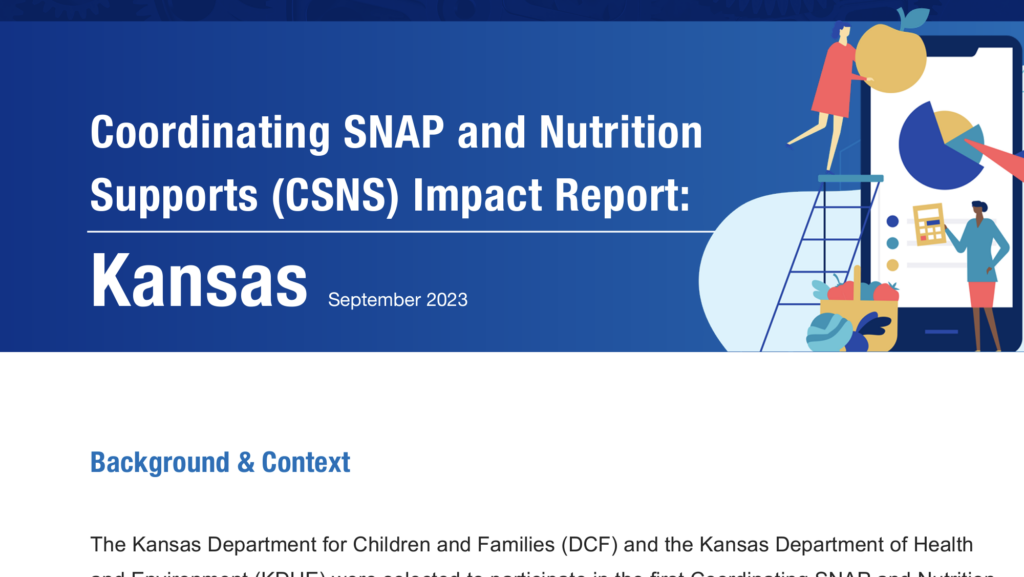
This report highlights best practices and lessons learned from Kansas' partnership with Delivering Change to improve SNAP and WIC access in seven counties through innovative data sharing and targeted outreach.
American Public Human Services Association (APHSA)
This resource examines how improvements in customer service experiences in public benefit programs like Medicaid, CHIP, and TANF can help better meet enrollees’ needs and build trust in government.
A brief report on our quantitative research about messages that increase people's take-up of government benefits by making them feel like those benefits belong to them.
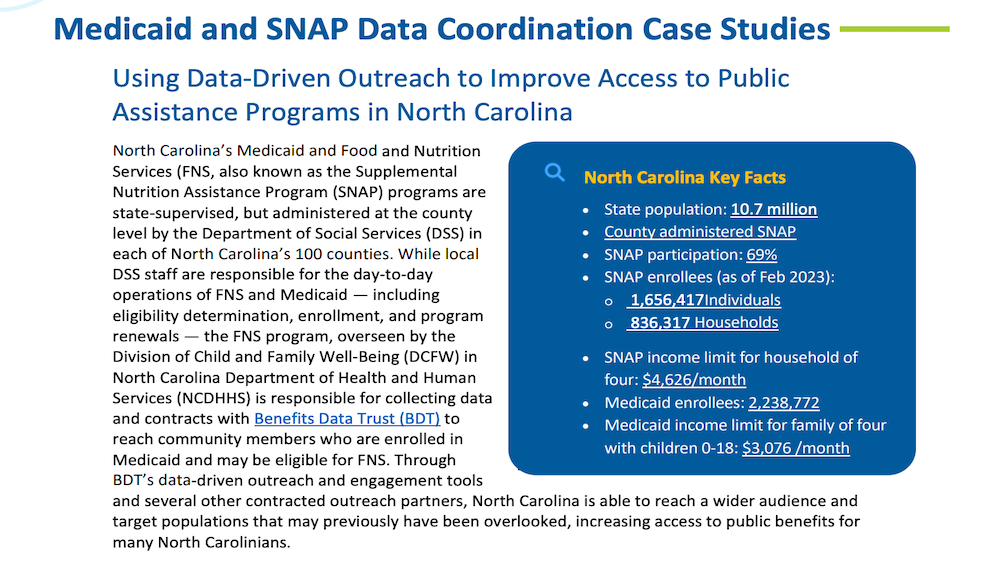
This case study series highlights innovative state strategies to improve data coordination between SNAP and Medicaid agencies and increase access for eligible people.
This article describes how Code for America conducted qualitative research within its GetCalFresh application by asking families to tell them about their familial, housing, and financial situations. From client messages, they gathered information regarding how to make changes to their product to keep their work people-centered.
WIC enrollment has declined over the last decade, preventing millions of eligible low-income individuals from accessing its benefits. This report examines state WIC outreach pilots and discusses the effectiveness of text message outreach and key considerations when developing and launching targeted text outreach campaigns.
Code for America describes its work building the P-EBT online application and the consulting it provided to 10 states regarding implementing the program in a quick, effective, and human-centered way. Despite herculean efforts among human services and education agencies to get P-EBT off the ground, there were a few key technological, operational, and logistical barriers that consistently got in the way and hampered a smooth rollout of the program across the country.
This report examines federal efforts to connect eligible college students with Supplemental Nutrition Assistance Program (SNAP) benefits and identifies actions needed to improve outreach and program access.